
News from Otsego 2000:

DEC’S dSGEIS for
NATURAL GAS EXTRACTION

OTSEGO 2000 RESPONDS:

COOPERSTOWN, NY. DECEMBER 31, 2009, Otsego 2000 provided extensive comments on the New York State Department of Environmental Conservation’s “Draft Supplemental Generic Environmental Impact Statement on the Oil, Gas and Solution Mining Regulatory Program Well Permit Issuance for Horizontal Drilling And High-Volume Hydraulic Fracturing to Develop the Marcellus Shale and Other Low-Permeability Gas Reservoirs.”

Two sets of comments were submitted to DEC. 

The first, “Comments of Otsego 2000 in Opposition to the dSGEIS for Gas Drilling in the Marcellus Shale” written by Board President Nicole Dillingham:

The second set of comments were written and compiled by the law firm of Zarin and Steinmetz representing Otsego 2000. 

For your convenience, a hardcopy of these documents can be viewed at the Cooperstown Public Library.

 
DEC’S dSGEIS for
NATURAL GAS EXTRACTION

OTSEGO 2000 RESPONDS:

COOPERSTOWN, NY. DECEMBER 31, 2009, Otsego 2000, the environmental 501(c)(3) watchdog that has been in operation in Otsego County for nearly three decades, has submitted final comments against the draft Supplemental Generic Environmental Impact Statement issued in late September by the NYSDEC for natural gas extraction through high-water volume horizontal fracturing, or “fracking,” in the Marcellus Shale and other similar rock formations.  


The New Your State Department of Environmental Conservation is responsible for the permits regarding mining operations in the state.  The horizontal drilling method proposed for extracting natural gas from beneath Otsego County is called fracking.  The lobby for the Natural Gas industry is pushing the State to institute broad approvals for this unsafe drilling method.  We oppose the generic approach to permitting in New York State and Otsego County.  The draft SGEIS document does not adequately protect drinking water supplies from the dangers of this technology.  While we do not oppose drilling for natural gas in New York State we insist it be done safely and responsibly.


OTSEGO 2000 STRONGLY OPPOSES:
DEC’S dSGEIS for
NATURAL GAS EXTRACTION

COOPERSTOWN, NY. DECEMBER 8, 2009


“This is without question the most difficult fight Otsego 2000 has faced since its inception,” said Nicole Dillingham, president of the organization, which has been in the forefront of a number of major legal and environmental battles in Otsego County over the past 30 years. “We at Otsego 2000 are severely disappointed and astounded that the DEC, the State of New York, and Governor Paterson have allowed this draft to be submitted for public comment with so much incomplete, missing and/or misleading information.” The DEC must withdraw the draft  until  missing data is supplied and public comment can take place on all of the missing data.


The fact that the DEC has submitted an incomplete draft with misleading information can be directly attributed to their understaffing and conflict of interest because in NY the DEC is charged with advancing mining interests at the same time DEC is  responsible or environmental protection. This is not "best practices" and most other States separate these functions.


Dillingham also mentioned Governor Paterson’s plan to immediately lease State lands for drilling. “As it stands now,” she says, “its part of the Governor’s Asset Maximization Plan to generate cash to cover mounting budget deficits, but it does not have sufficient environmental protection behind it.”  The State is rushing ahead, in violation of legal requirements to cover its budget deficits while abandoning environmental protection.


    Otsego 2000 has prepared extensive comments on the dSGEIS. These comments will be submitted to the DEC before the deadline for public comment later this month.

Among myriad objections that Otsego 2000 has found with the dSGEIS are:

              • The DEC expects local agencies to  protect roads and respond to contamination claims without funding or needed data. The dSGEIS is riddled with  delegations of regulatory authority to state and local agencies but there is no funding  for these agencies, they have not had time to respond and they do not have the data they need to regulate these matters.

              • The data on which the DEC relies is incomplete, incorrect or nonexistent. The composition and toxicity of many of the chemicals added to the fracking fluids  have not been disclosed; the radiation levels of the contaminated flow-back fluids also have not been disclosed; the impact of such massive fresh-water withdrawals on aquifers, wetlands, or drinking water supplies has not been addressed.

              • There are no treatment facilities in New York State that can handle the quantity and quality of the toxic flow-back fluids; the DEC has not suggested a means to dispose of the hazardous wastes that would be left standing in open holding pits or in tanker trucks.

              • The impact of heavy truck traffic (thousands of trucks per well) on local and country roads,  agriculture, schools, hospitals, and community activities has been neither evaluated nor addressed by the DEC. The highway problem has been delegated, without the necessary funds, to the local authorities.

              • The DEC has offered false and misleading information. The DEC claims that there is no evidence of contamination from hydraulic fracturing in New York State, or elsewhere. However, such evidence is clearly stated in the DEC’s own files and mounting in other States.

              • The drilling setback requirements from reservoirs, lakes, streams and fresh-water wells are based on those for fertilizer mixing and chemical storage, not on those for horizontal hydraulic fracturing.

            * The  New York City Watershed is given greater protections that other watersheds, but even their watershed is not protected. Drilling within 300 feet of a NYC reservoirs or 150 feet of other reservoirs is not a sufficient setback.

              • New York does not impose a severance tax on its mining operations, leaving the taxpayers to bear the costs of regulation, enforcement, remediation, health issues, road repairs, real property losses, and negative impacts on agriculture, tourism, and historic assets.  New York is one of only three gas-producing states with no severance tax.

              • The DEC does not have the staff to inspect, regulate and enforce laws and clean-up operations. Due to recent budget cuts, there are at present only 19 employees in the DEC’s Division of Mineral Resources.

              • The DEC is charged with both advancing mineral rights development and protecting health and the environment – a major conflict of interest. Best practices require separate agencies for development and regulation.

_____________________________________

OUR DAIRY INDUSTRY IS IN CRISIS:

Northern Otsego County
Dairy Farm Tour

Milk prices are the lowest they have been in 30 years. Many of our dairy farms are in danger of bankruptcy yet little is being done to salvage this vital local industry. Join us for a Northern Otsego County Dairy Tour Saturday, November 21, 2009 9:30 AM - 4PM Full day or half day This self - driven tour will visit four local dairy farms where local farmers will explain the current crisis and suggest how you can help our beleaguered dairy industry. Maps provided. For Reservations Call 547-8881. Sponsored by Otsego 2000 To learn more about the dairy crisis


MILK PRICE CRASH MAY SHUT FARMS!

Otsego 2000 Vice President, Nicole Dillingham calls for urgent action to protect family owned farms

Although the survival of family owned farms is a national issue, because of the state's broad-based financial problems, the threat is particularly severe in New York State.  Immediate action is needed to help our farmers.  Change must happen now or there will be disastrous consequences for our local farmers in the short term.  In the long term, there could be catastrophic damage done to the safety of our country's food supply and its independence.

The causes of the problem include:

  1. The dairy industry is heavily regulated.
  2. The global financial crisis has dried up the credit that our local farmers depend on to bridge the gap between the expenses to produce their products (seed, fertilizer and feed) and the revenue from the sale of their products.
  3. Milk prices have fallen steeply and are no longer set competitively.
  4. Unregulated milk substitutes are imported creating unfair competition.

Dillingham calls for short and long term solutions:

Short Term:

  1. Freeze prices at 2008 level.
  2. Temporarily suspend interest payments and foreclosures.
  3. Ban unregulated imported milk proteins until additives comply with FDA and USDA Standards

Long Term:

Establish a commission to recommend reforms to:

  1. Stabilize milk prices.
  2. Reduce volatility.
  3. Assure the safety of the milk supply.

Click here for the full commentary and a list of government officials you should contact.


OTSEGO 2000 responds to draft regulations from the DEC governing NATURAL GAS DRILLING

Concerned about environmental impact of horizontal high-water volume drilling, Otsego 2000 has issued a position paper outlining our concerns and suggesting changes to the proposed regulations.

Letter to the NYS Division of Mineral Resources: Dept. of Oil and Gas Regulation

Position Statement on Natural Gas Drilling in the Lake Otsego Watershed and Otsego County

___________________________________________

Otsego 2000 is a not-for-profit organization founded

in 1981 to protect the environmental, scenic, cultural

and historic resources of the Otsego Lake region

and northern Otsego County
___________________________________________

OTSEGO 2000                    
Mission Statement


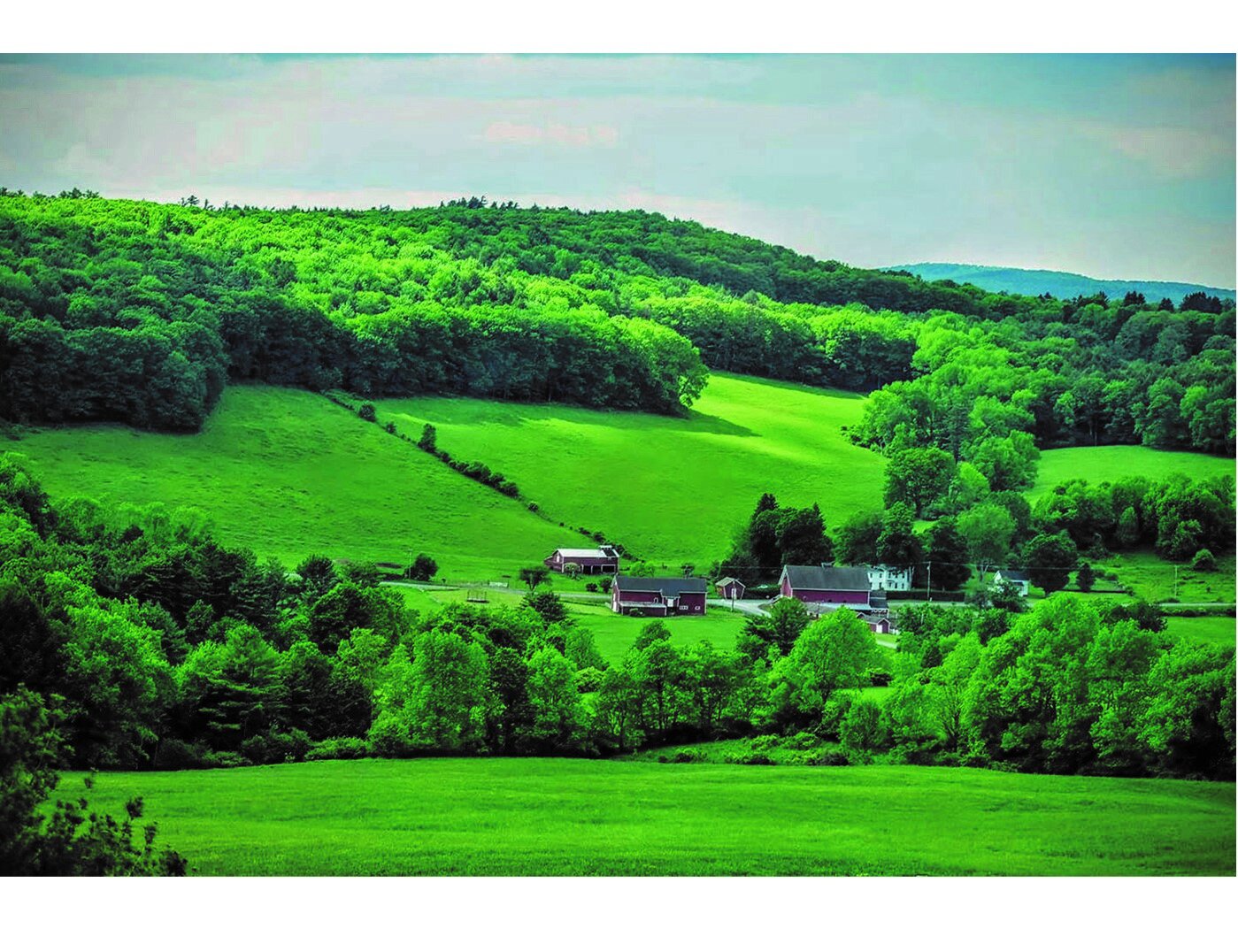
Otsego 2000 believes that the Otsego Lake region is a masterpiece of nature, and that its surrounding landscapes, valleys, villages, and farms constitute a unique confluence of historic, environmental, cultural, agricultural, rural, and scenic resources. We believe that the long-term economic well-being of the region and the quality of life for its residents derives from these resources and their stewardship. Thus, we seek to protect these attributes for the benefit of present and future generations. As no place is an island, we extend our concern and programs to the region's larger setting in Central New York. We advance our mission through informed advocacy, public education, innovative projects, economic alternatives, and strategic campaigns.


Click here to make a contribution

Please Help Us With Our

Important Campaigns!

Won't you help

Otsego 2000 protect

our region by pledging

your support today?

Click here for your pledge card.